ACM Multimedia 2026 · Rio de Janeiro, Brazil
Enhanced Product Information Retrieval via
Image-to-Searchable Layout Reconstruction
1 Major in Data Science Convergence, Kyungpook National University
2 Cutib Inc.
The idea
A readable layer for visual commerce.
Product details often live inside images. Reconstructing their layout makes the text available to search and language models.
Abstract
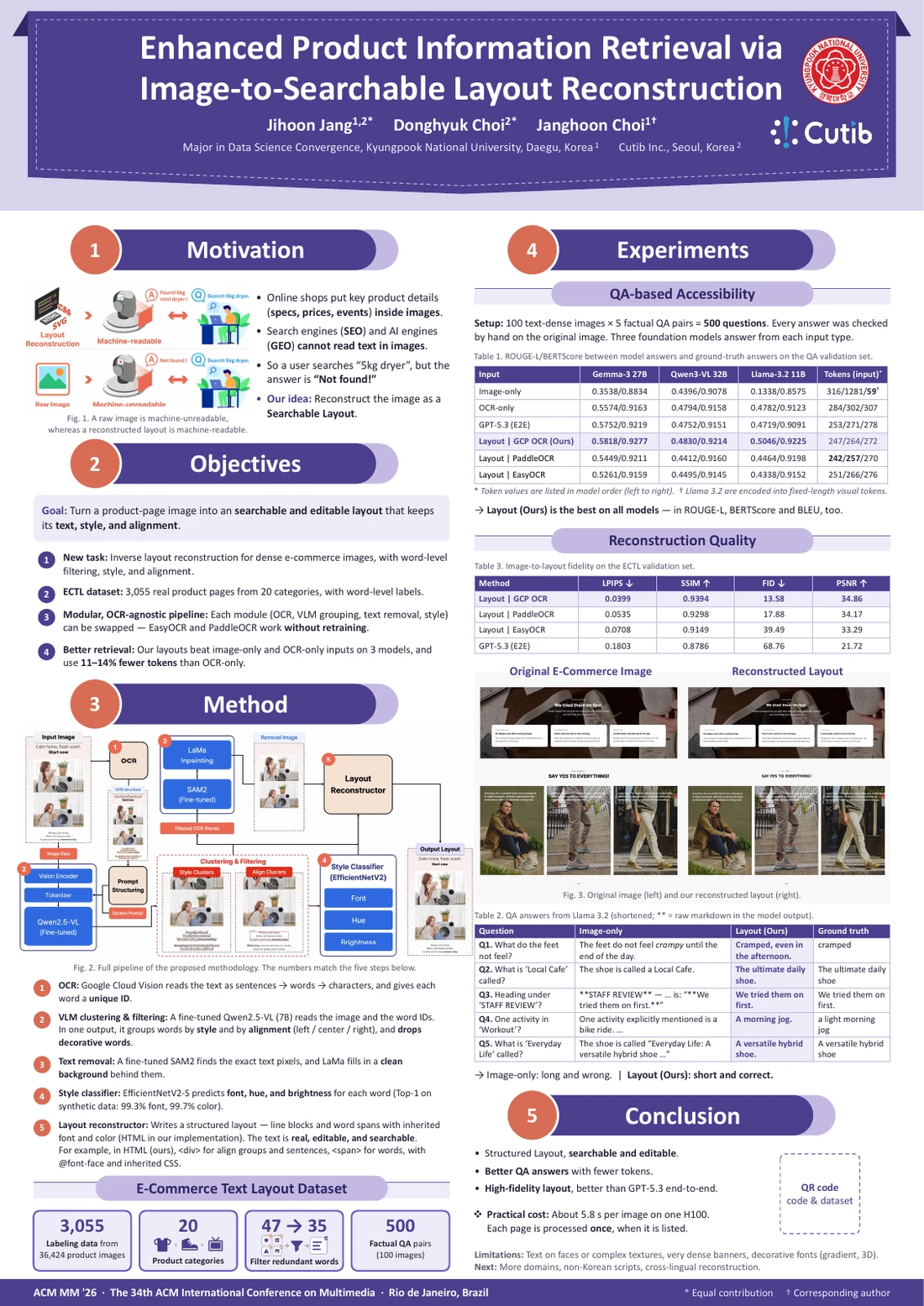
Modern online shopping platforms increasingly embed product descriptions and specifications within images, making their text content inaccessible to conventional keyword-based search engines. This leads to degraded search engine optimization (SEO) and limited visibility in generative engine optimization (GEO) environments. To address this problem, we introduce a novel, style- and alignment-aware framework that reconstructs structured web layouts from product page images, enabling machine-readable access to text content otherwise locked inside images.
Our framework integrates (1) hierarchical structure-aware text extraction, (2) vision-language model (VLM)-based text clustering informed by visual attributes, and (3) segmentation-guided text removal and inpainting for clean background restoration. We also construct a dedicated ECTL dataset, a style-annotated product page dataset with word-level labels for style clustering, alignment clustering, and text filtering.
Experimental results demonstrate accurate color and font recognition (99.7% and 99.3% Top-1 accuracy), clean text removal (FID = 0.954 on the Easy subset), and visually faithful reconstruction (LPIPS = 0.0399, SSIM = 0.9394). QA-based evaluations across three foundation models show that reconstructed layouts improve factual retrievability (e.g., BERT-Score 0.883 → 0.928 on Gemma-3-27B) while reducing input tokens by 11–14% relative to OCR-only inputs.
See the reconstruction
Same visual story.
Now machine-readable.
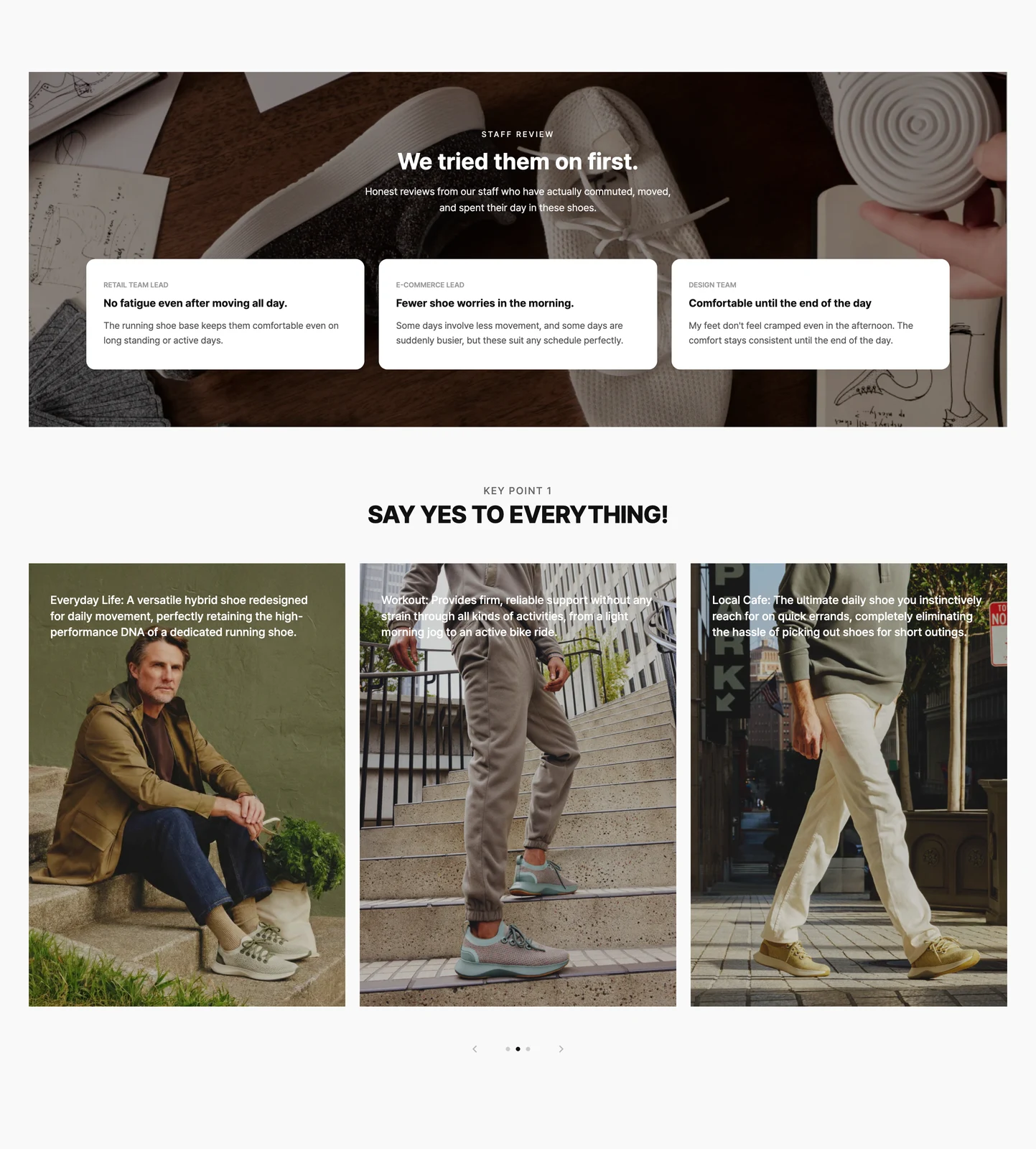
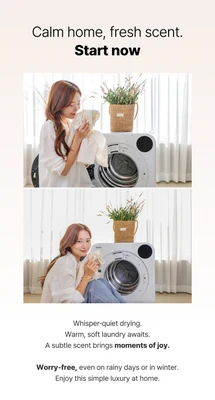
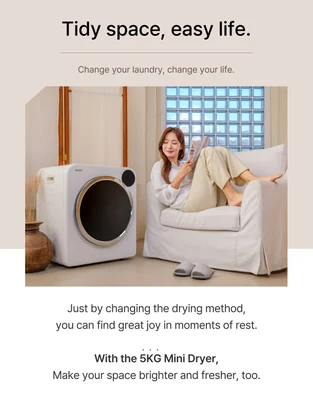
Our reconstruction preserves the page’s text, styling, and alignment. Text becomes real HTML content that can be selected, edited, and searched.
Drag the divider to compare the original image with the live HTML reconstruction. Choose HTML to select and copy the reconstructed text.
An example from the QA evaluation
In the “Local Cafe” description, what kind of shoe is it called?
- Image-only
- “The shoe is called a Local Cafe.”
- Layout (ours)
- “The ultimate daily shoe.”
- Ground truth
- “The ultimate daily shoe”
Llama 3.2-11B · Main paper, qualitative QA example
 ReconstructedOriginal
Method
Five stages. One searchable layout.
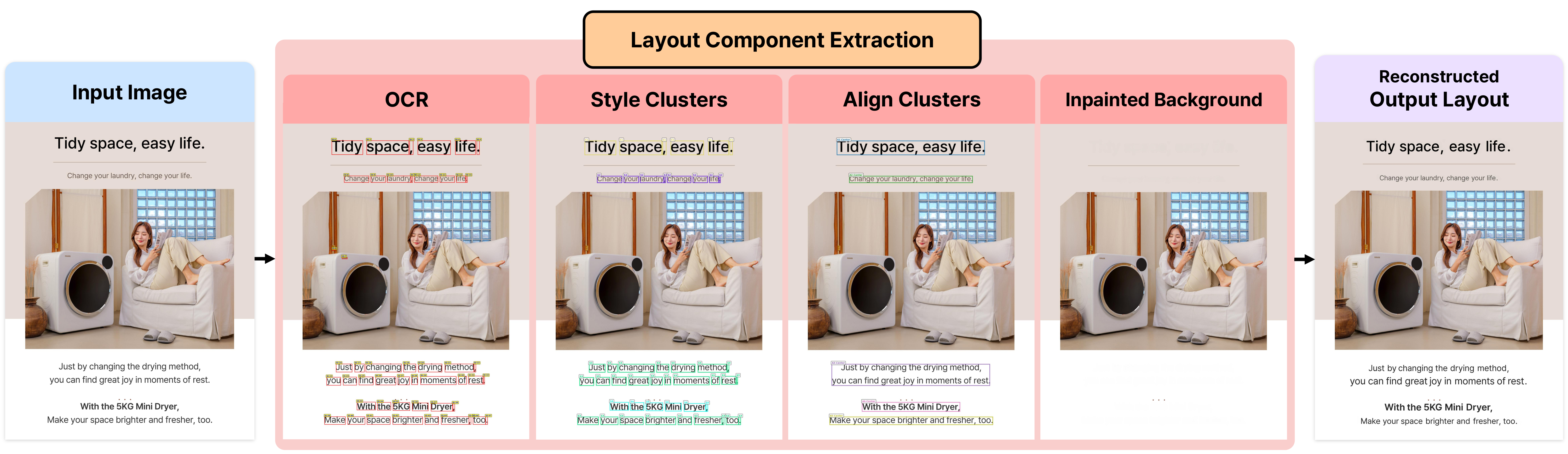
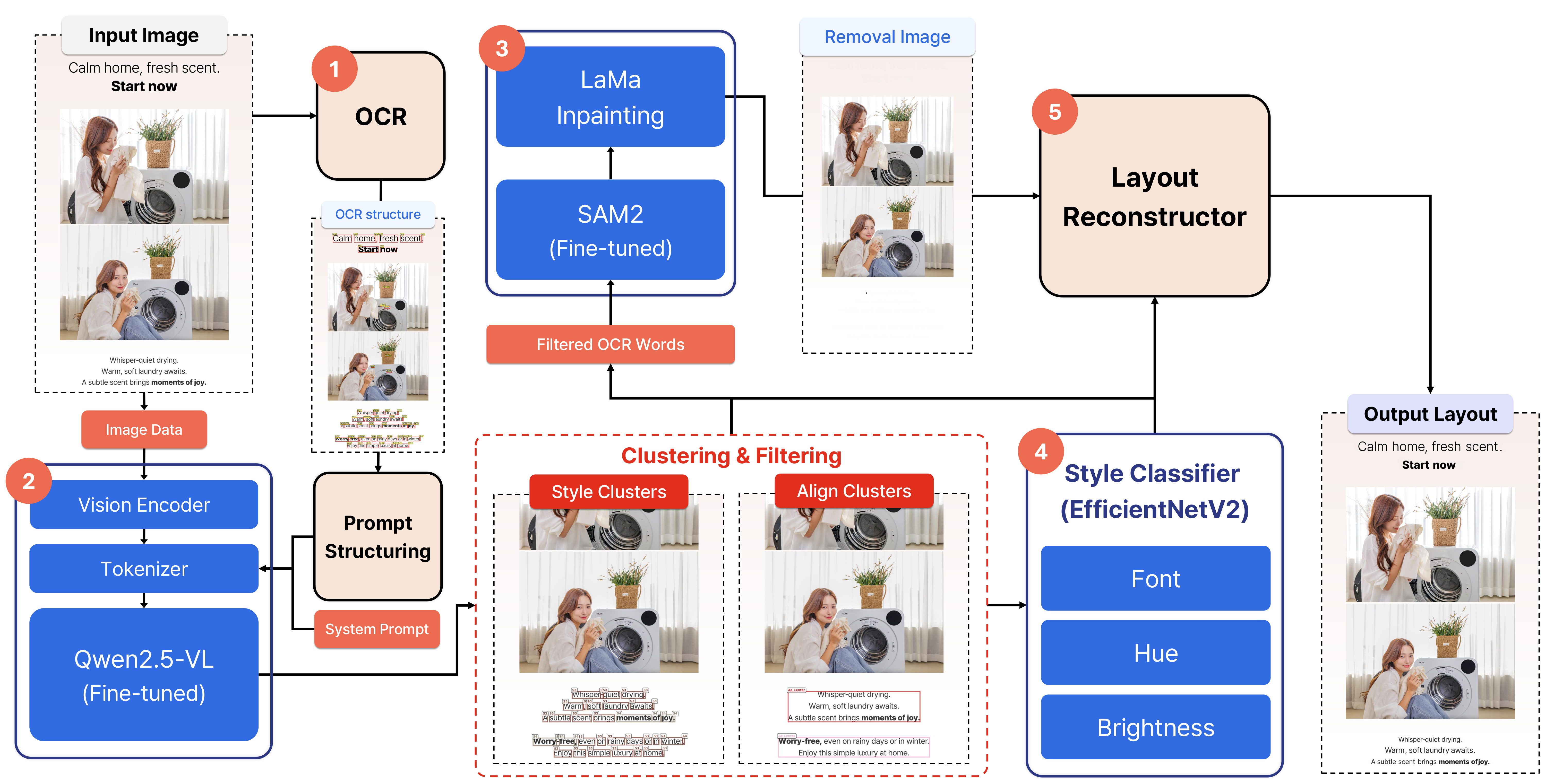
A modular pipeline combines text recognition, visual reasoning, and background restoration.
- 01
Read the text
Hierarchical OCR extracts sentences, words, and characters, assigning each word a unique ID.
- 02
Group and filter jointly
A fine-tuned Qwen2.5-VL (7B) produces style groups, alignment groups, and word filtering together in one pass.
- 03
Restore the background
Fine-tuned SAM2 segments the text pixels. LaMa inpaints the masked regions to recover a clean background.
- 04
Recover the style
EfficientNetV2-S predicts font, hue, and brightness. Group-level voting and height normalization improve consistency.
- 05
Reconstruct the layout
The reconstructor combines line blocks, word spans, fonts, and colors into editable, searchable HTML.
OCR-agnostic: EasyOCR and PaddleOCR can replace the OCR stage without retraining the downstream modules.
See what each module produces.
Open the module explorer →1 · OCR
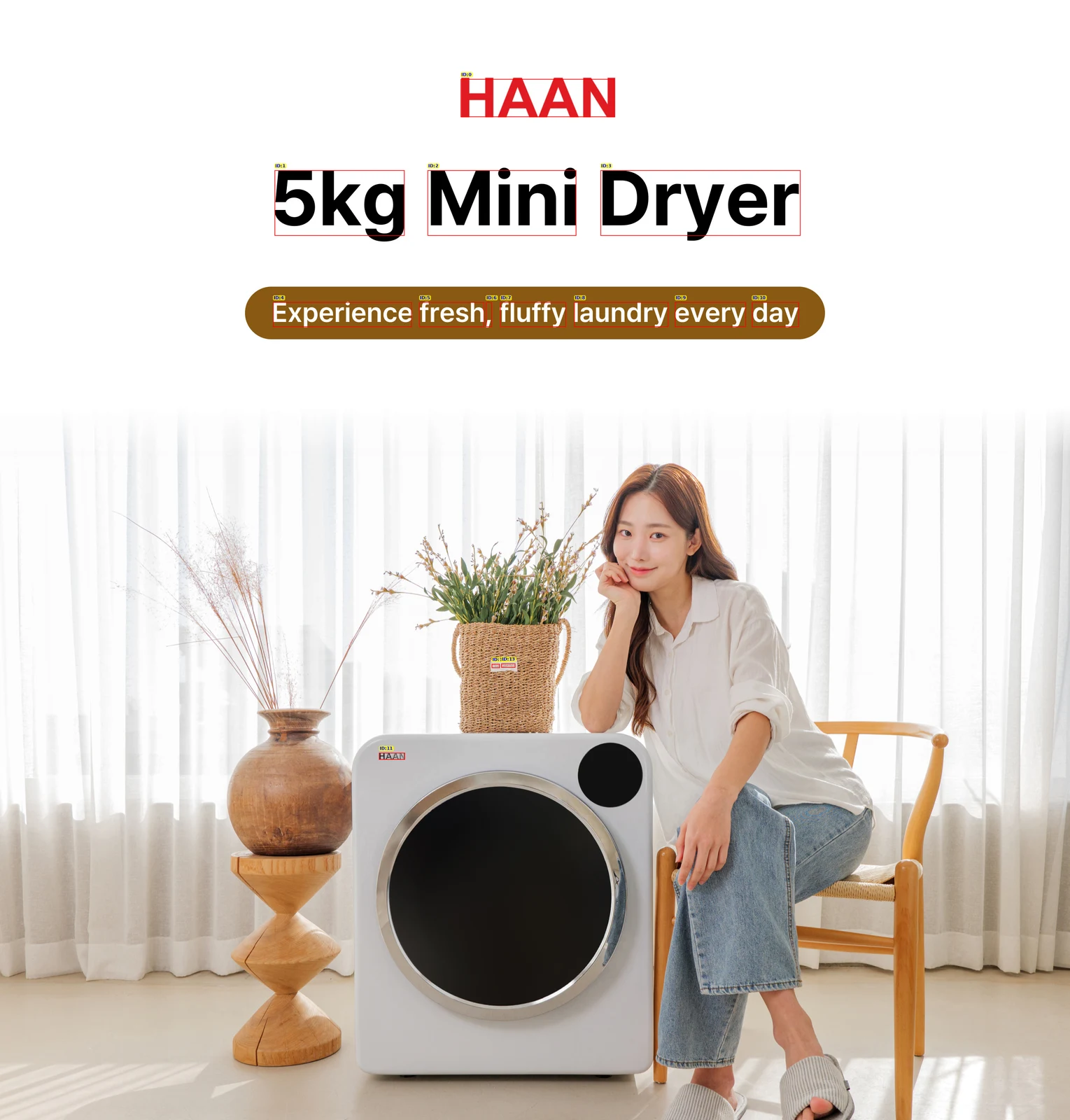 Text extraction
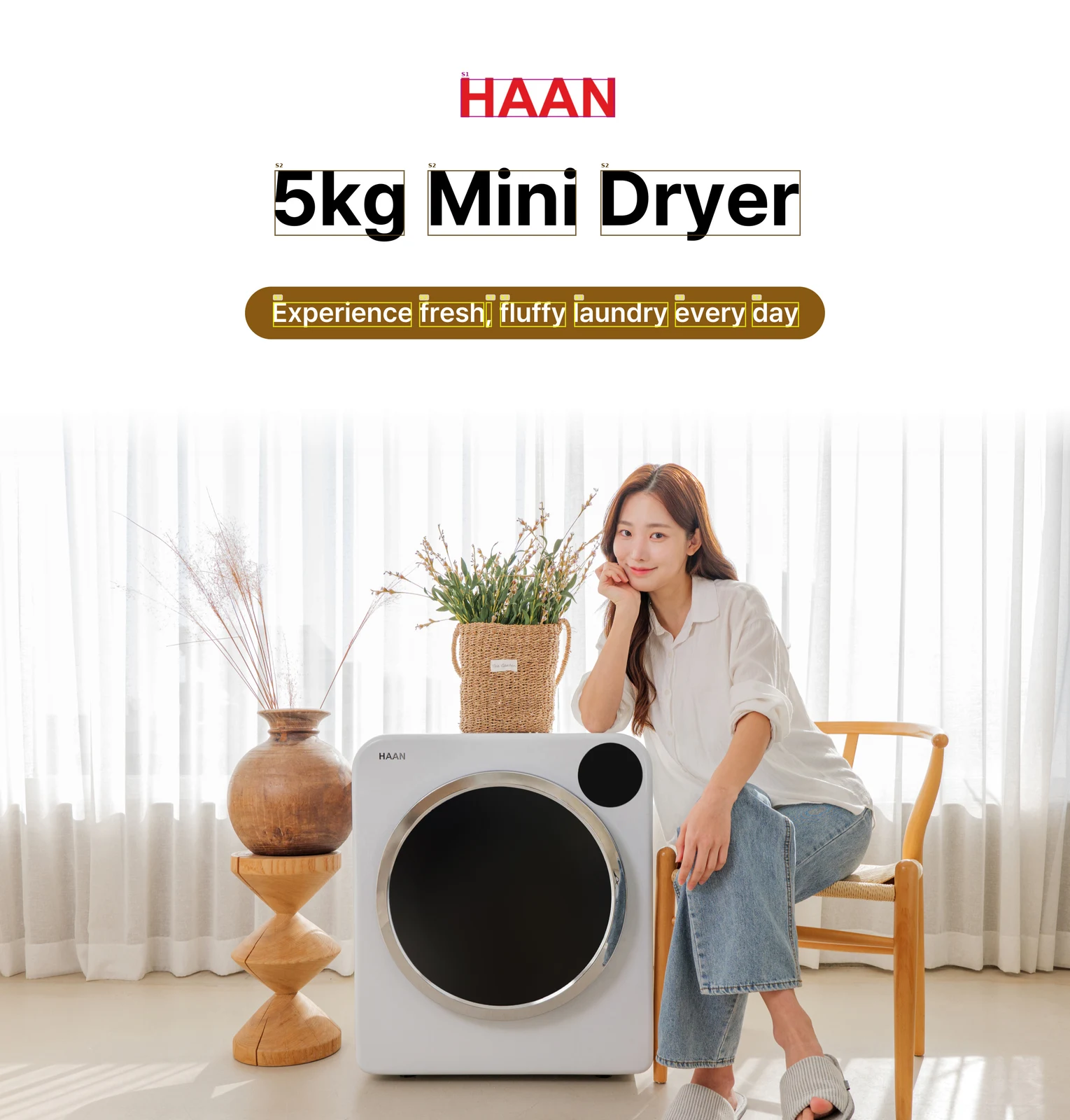
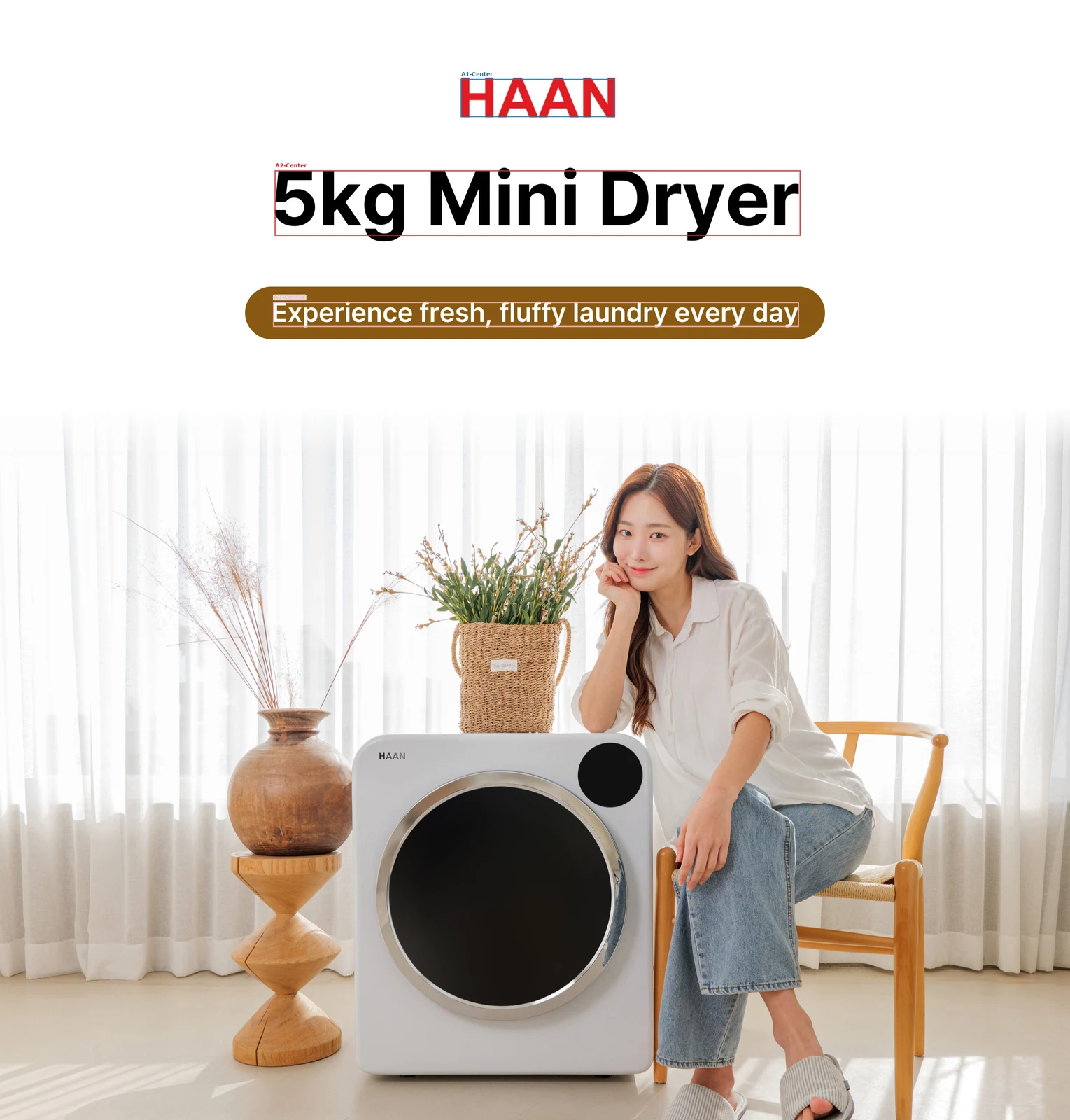
3 · Text removal
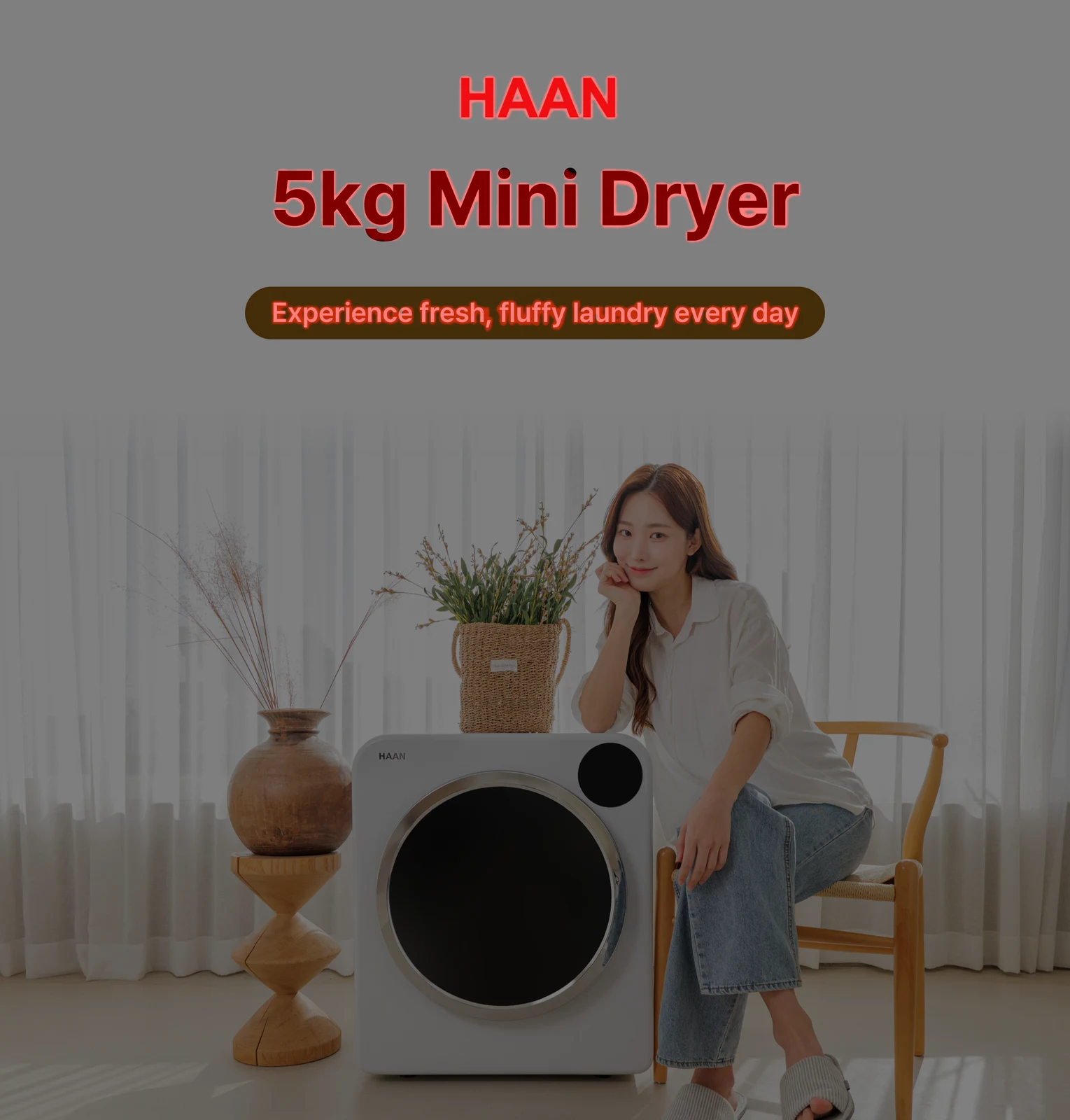
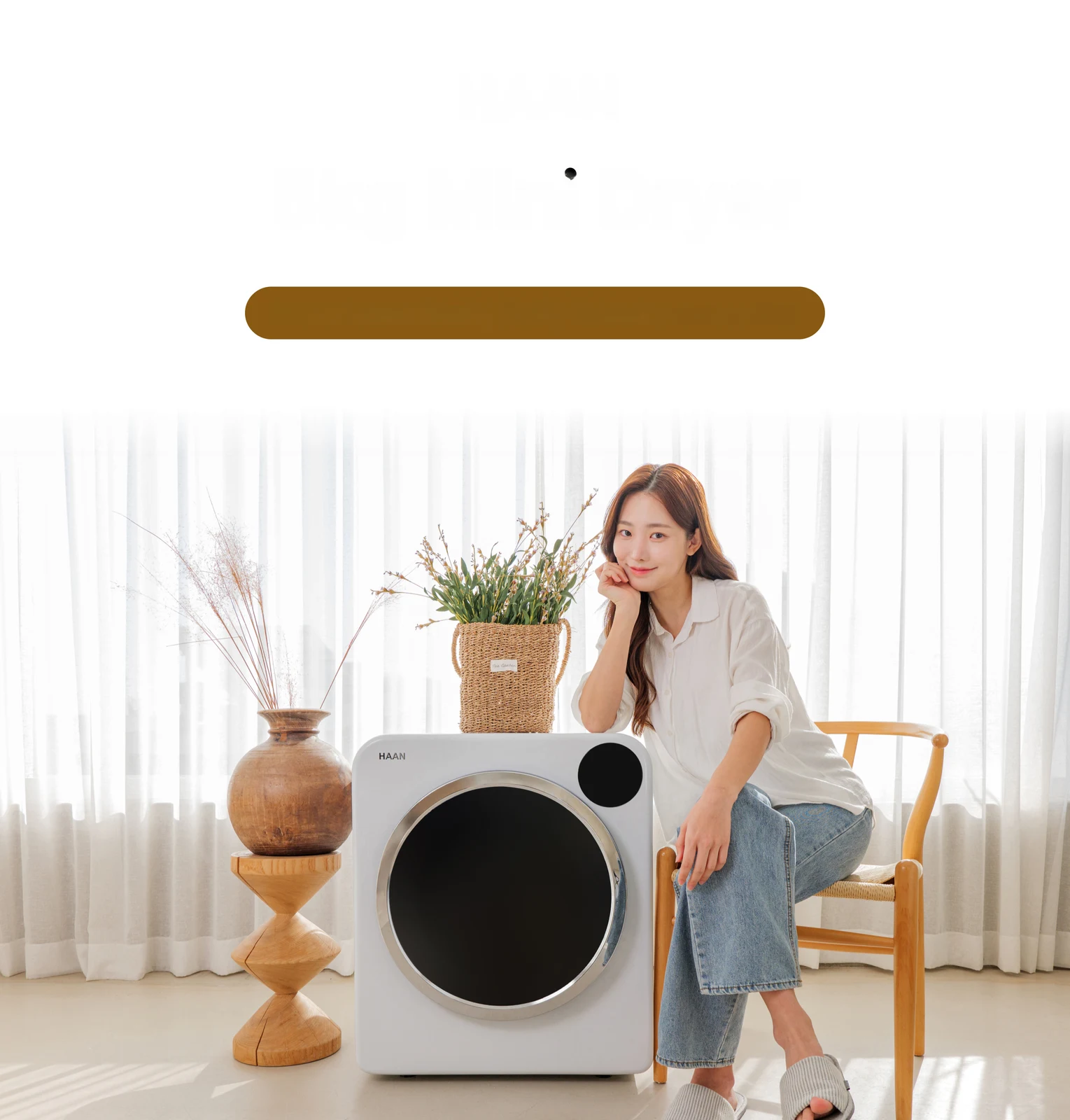
Select an output to inspect it. The explorer also shows recovered fonts and colors and the final HTML layout.
Experiments
Does the recovered structure make a difference?
We evaluate factual QA, visual reconstruction, and the grouping decisions that connect them. The results below follow the main paper’s full comparisons and input configurations.
Gemma 3-27B
+0.0114 BERT-Score
0.9163 → 0.9277
284 → 247 tokens −13.0%
Qwen3-VL-32B
+0.0056 BERT-Score
0.9158 → 0.9214
302 → 264 tokens −12.6%
Llama 3.2-11B
+0.0102 BERT-Score
0.9123 → 0.9225
307 → 272 tokens −11.4%
Protocol: select the five most text-dense validation images in each category, then ask five factual questions per image. QA uses Conf. 2; the alternative OCR engines replace the first stage without retraining downstream modules.
Full QA results
| Evaluator | Input | BLEU ↑ | ROUGE-L ↑ | BERT-Score ↑ | Latency (ms) ↓ | Input tokens ↓ |
|---|---|---|---|---|---|---|
| Gemma 3-27B | Image-only | 0.0345 | 0.3538 | 0.8834 | 2353 | 316 |
| OCR-only | 0.1297 | 0.5574 | 0.9163 | 1410 | 284 | |
| GPT-5.3 (E2E) | 0.1426 | 0.5752 | 0.9219 | 1335 | 253 | |
| Layout (GCP OCR) | 0.1455 | 0.5818 | 0.9277 | 1305 | 247 | |
| Layout (EasyOCR) | 0.1156 | 0.5261 | 0.9159 | 1445 | 251 | |
| Layout (PaddleOCR) | 0.1412 | 0.5449 | 0.9211 | 1410 | 242 | |
| Qwen3-VL-32B | Image-only | 0.0783 | 0.4396 | 0.9078 | 2905 | 1281 |
| OCR-only | 0.1098 | 0.4794 | 0.9158 | 1768 | 302 | |
| GPT-5.3 (E2E) | 0.1097 | 0.4752 | 0.9151 | 1774 | 271 | |
| Layout (GCP OCR) | 0.1132 | 0.4830 | 0.9214 | 1706 | 264 | |
| Layout (EasyOCR) | 0.0954 | 0.4495 | 0.9145 | 1736 | 266 | |
| Layout (PaddleOCR) | 0.0919 | 0.4412 | 0.9160 | 1715 | 257 | |
| Llama 3.2-11B | Image-only | 0.0093 | 0.1338 | 0.8575 | 1907 | 59* |
| OCR-only | 0.1019 | 0.4782 | 0.9123 | 340 | 307 | |
| GPT-5.3 (E2E) | 0.0865 | 0.4719 | 0.9091 | 357 | 278 | |
| Layout (GCP OCR) | 0.1079 | 0.5046 | 0.9225 | 309 | 272 | |
| Layout (EasyOCR) | 0.0738 | 0.4338 | 0.9152 | 357 | 276 | |
| Layout (PaddleOCR) | 0.0896 | 0.4464 | 0.9198 | 322 | 270 |
Bold marks the best value within each evaluator; token highlights compare text-based inputs only. Latency is the QA model’s response time, separate from the reconstruction pipeline’s preprocessing cost.
* Llama 3.2 image inputs use fixed-length visual tokens. Its image-only token count is not directly comparable with text token counts.
A closer look at the answers · Table 2
Five qualitative Llama 3.2-11B examples from the main paper. The reference column is ground truth; answers are saved model outputs. View the associated image and HTML comparison →
| Question | Image-only | Layout (ours) | Reference |
|---|---|---|---|
| Q1. According to the Design Team review, what do the feet not feel? | The feet do not feel crampy until the end of the day. | Cramped, even in the afternoon. | cramped |
| Q2. In the `Local Cafe' description, what kind of shoe is it called? | The shoe is called a Local Cafe. | The ultimate daily shoe. | The ultimate daily shoe |
| Q3. What is the exact heading shown under the `STAFF REVIEW' label? | **STAFF REVIEW** — The exact heading shown under the `STAFF REVIEW' label is: **“We tried them on first.”** | We tried them on first. | We tried them on first. |
| Q4. According to the `Workout' description, name one activity explicitly mentioned. | One activity explicitly mentioned is a bike ride. The description states that the shoes provide firm, reliable support through all kinds of activities, including a morning jog or an active bike ride. | A morning jog. | a light morning jog |
| Q5. In the `Everyday Life' description, what kind of shoe is it called? | The shoe is called “Everyday Life: A versatile hybrid shoe redesigned for daily movement, perfectly retaining the high-performance DNA of a dedicated running shoe.” | A versatile hybrid shoe. | A versatile hybrid shoe |
Literal ** markers reproduce markdown emitted in the model answer.
Compared with GPT-5.3 end-to-end, GCP Conf. 6 reduces LPIPS from 0.1803 to 0.0399 and FID from 68.76 to 13.58.
Image-to-layout reconstruction
CSV ↓| Method | Configuration | LPIPS ↓ | SSIM ↑ | FID ↓ | PSNR (dB) ↑ |
|---|---|---|---|---|---|
| Layout (GCP OCR) | Conf. 1 | 0.0402 | 0.9395 | 13.83 | 34.83 |
| Layout (GCP OCR) | Conf. 2QA setting | 0.0401 | 0.9393 | 13.65 | 35.09 |
| Layout (GCP OCR) | Conf. 3 | 0.0402 | 0.9392 | 13.59 | 34.57 |
| Layout (GCP OCR) | Conf. 4 | 0.0407 | 0.9392 | 13.93 | 35.07 |
| Layout (GCP OCR) | Conf. 5 | 0.0402 | 0.9392 | 13.59 | 34.57 |
| Layout (GCP OCR) | Conf. 6Best LPIPS / FID | 0.0399 | 0.9394 | 13.58 | 34.86 |
| Layout (EasyOCR) | Conf. 2 | 0.0708 | 0.9149 | 39.49 | 33.29 |
| Layout (PaddleOCR) | Conf. 2 | 0.0535 | 0.9298 | 17.88 | 34.17 |
| GPT-5.3 (E2E) | N/A | 0.1803 | 0.8786 | 68.76 | 21.72 |
Conf. 2 omits extra B-Box/color/font tokens; Conf. 6 adds color and font tokens. EasyOCR and PaddleOCR use Conf. 2. The end-to-end baseline has no clustering configuration. Bold marks the best value in each metric.
Inspect reconstructed samples and module outputs →Input-configuration ablation
CSV ↓| Config. | Additional prompt tokens | Style cluster ↑ | Alignment cluster ↑ | Word filter ↑ | ||||||
|---|---|---|---|---|---|---|---|---|---|---|
| B-Box | Color | Font | Acc | F1 | Acc | F1 | Type-Acc | Acc | F1 | |
| Conf. 1 | ✓ | — | — | 0.9600 | 0.9424 | 0.9705 | 0.9458 | 0.9593 | 0.9679 | 0.8984 |
| Conf. 2 | — | — | — | 0.9690 | 0.9525 | 0.9746 | 0.9530 | 0.9377 | 0.9775 | 0.9049 |
| Conf. 3 | ✓ | ✓ | — | 0.9619 | 0.9467 | 0.9677 | 0.9450 | 0.9547 | 0.9654 | 0.8998 |
| Conf. 4 | — | ✓ | — | 0.9627 | 0.9466 | 0.9654 | 0.9434 | 0.9312 | 0.9692 | 0.8984 |
| Conf. 5 | ✓ | ✓ | ✓ | 0.9619 | 0.9467 | 0.9677 | 0.9450 | 0.9549 | 0.9653 | 0.8998 |
| Conf. 6 | — | ✓ | ✓ | 0.9695 | 0.9543 | 0.9696 | 0.9485 | 0.9482 | 0.9743 | 0.9041 |
Checks indicate added B-Box, color, or font tokens. Acc: accuracy; Type-Acc: left/center/right alignment-type accuracy. Bold marks the numerical maximum in each column. Scores are transcribed without changing the main paper’s values.
Explore the grouping and filtering outputs →Component checks on synthetic data · Section 4.1
These component results use the synthetic datasets, distinct from the ECTL reconstruction and QA evaluations.
Style classification · Top-1
| Attribute | Accuracy ↑ |
|---|---|
| Color | 99.7% |
| Font | 99.3% |
SAM2 + LaMa · Text removal
| Subset | FID ↓ | LPIPS ↓ |
|---|---|---|
| Easy | 0.954 | 0.0024 |
| Normal | 1.770 | 0.0047 |
| Hard | 6.865 | 0.0152 |
The main paper reports NVIDIA H100 GPUs for the experiments. Full training and ablation details are provided in the supplementary material.
Download all reported results as JSON ↓
Go beyond the table
Explore the appendix, one question at a time.
Browse all 16 QA examples with their source images, module outputs, and reference answers. Start with the five questions in the appendix, then uncover five more for each image.
Explore all 16 QA cases →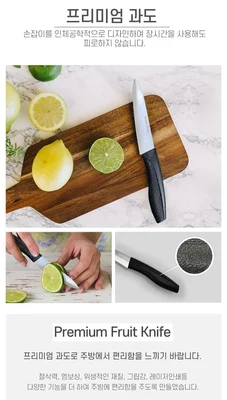
Amazon · Exploratory examples
More E-Commerce Domains
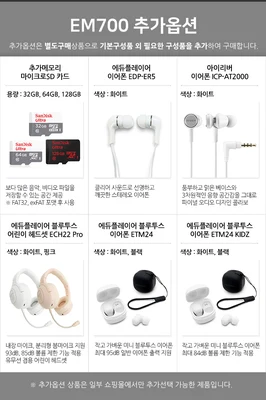
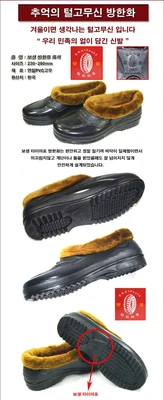
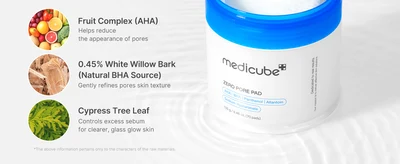
We also applied the pipeline to product images posted on Amazon that were not used in training. Explore how it handles different imagery and typography, including the details it does not fully recover.
 Amazon example 01Compare the original with live HTML
 Amazon example 02Inspect grouping and text recovery
 Amazon example 05Follow the intermediate outputs
These are qualitative examples outside the ECTL benchmark. They illustrate transfer and its limitations, including differences in font weight, spacing, and grouping; they do not establish quantitative generalization performance.
The ECTL dataset
Real product pages.
Word-level structure.
ECTL (E-Commerce Text Layout) provides annotations for text filtering, style clustering, and alignment clustering. It is curated from 36,424 OCR-processed product images collected from South Korean e-commerce platforms.
The text is predominantly Korean, with occasional English product names and specifications. The split contains 2,755 training images and 300 validation images.
ECTL on Hugging Face Coming soon- 3,055
- annotated product images
- 20
- product categories
- 47 → 35
- average words before and after filtering
- 500
- factual QA pairs from 100 images
Practical considerations
Process once.
Retrieve many times.
The pipeline takes approximately 5.8 seconds per image on a single NVIDIA H100, including the OCR API call. Reconstruction can be performed when a product page is listed, before downstream queries arrive.
Where it can struggle
Large text regions over faces or complex textures can introduce inpainting artifacts. Dense banners can cause grouping errors, and gradient, 3D, or calligraphic fonts may be approximated by the fixed style vocabulary.
Future directions include broader document domains, non-Korean scripts, and cross-lingual reconstruction.
ACM Multimedia 2026
The research at a glance.
Explore the full method and results in the conference poster.
View posterA0 poster · PDF · 1.8 MB
Citation
BibTeX
Coming soon